

Porcelain vs Ceramic Tiles: Which One Should You Choose?
Porcelain vs Ceramic Tiles: Which One Should You Choose?
When it comes to selecting tiles for your home or commercial project, one of the most common questions is: Should I choose porcelain or ceramic tiles? While they may appear similar at first glance, each material has its unique characteristics and advantages. In this guide, we’ll break down the differences to help you make an informed decision.
1. Material Composition and Manufacturing
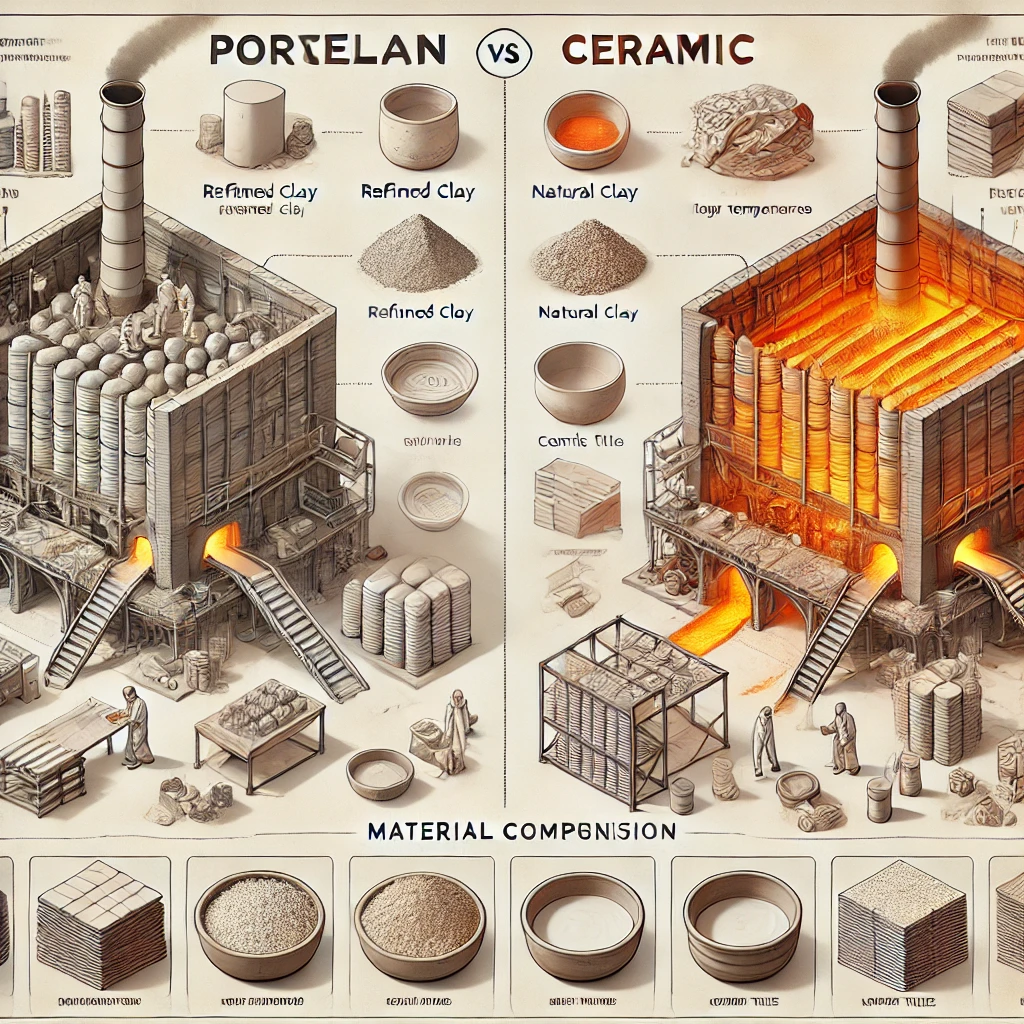
Porcelain tiles are made from finer, denser clay and fired at higher temperatures. This process makes them harder and less porous than ceramic tiles. On the other hand, ceramic tiles are crafted from natural clay and fired at lower temperatures, resulting in a softer and more absorbent surface.
Key takeaway: If you need something stronger and more water-resistant, porcelain is the better option.
2. Durability and Strength
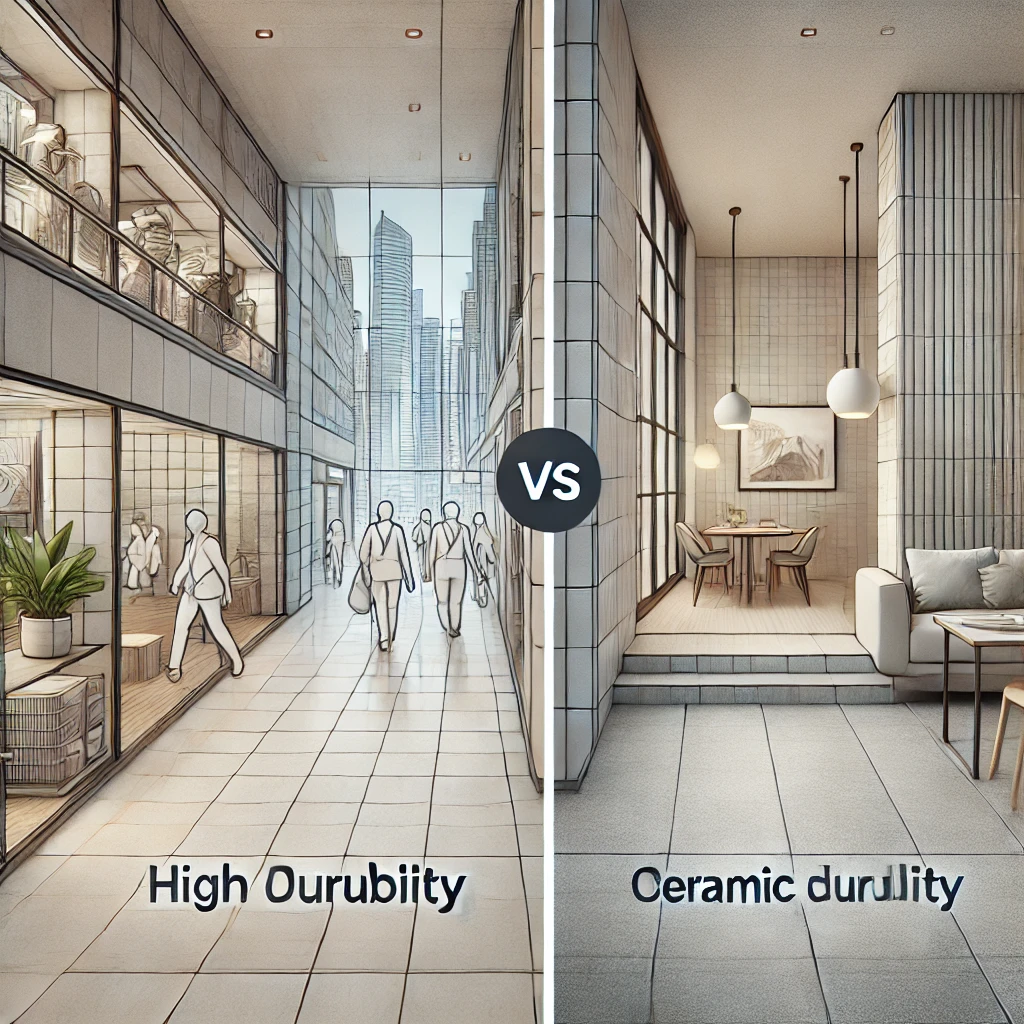
Porcelain tiles are extremely durable and highly resistant to scratches, moisture, and heavy foot traffic, making them ideal for bathrooms, kitchens, and commercial spaces. Ceramic tiles are more suited for light to moderate traffic areas like bedrooms and walls.
Key takeaway: Choose porcelain for high-traffic or wet areas; ceramic works well for decorative use.
3. Cost Comparison
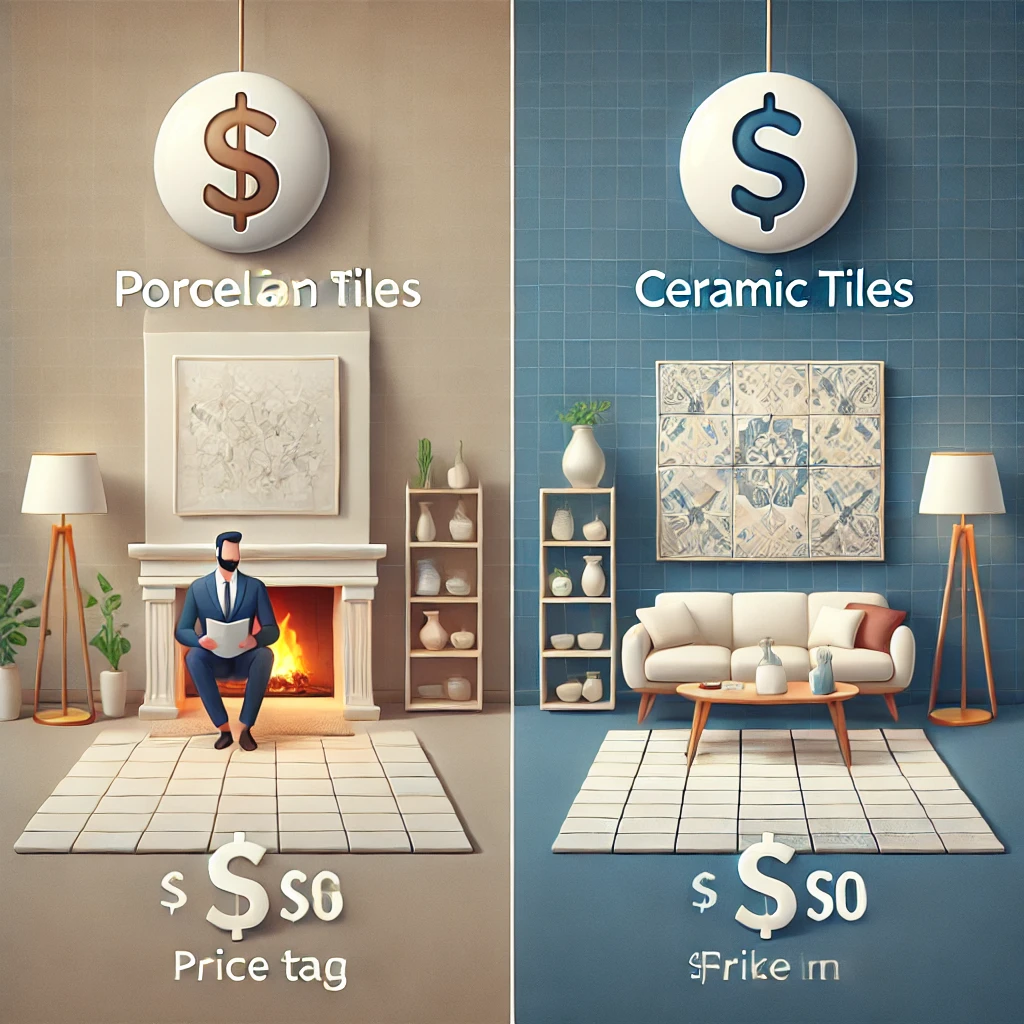
Ceramic tiles are generally more budget-friendly compared to porcelain tiles. However, the long-term durability of porcelain may justify the higher initial investment, especially in high-use areas.
Key takeaway: Ceramic is cost-effective for low-impact areas, but porcelain adds long-term value.
4. Aesthetic and Design Variety
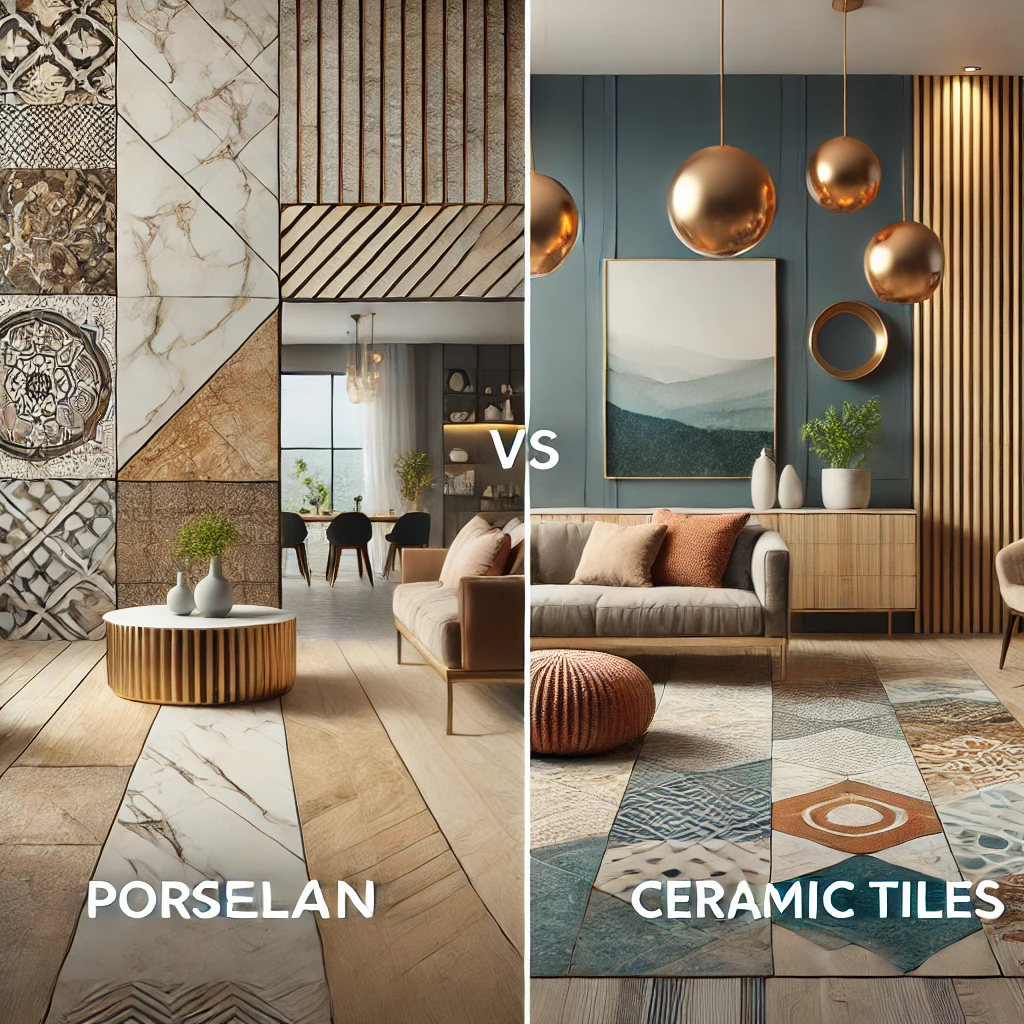
Both porcelain and ceramic tiles come in a wide range of colors, patterns, and finishes. However, porcelain tiles are better at mimicking natural materials like wood, marble, and stone due to their advanced manufacturing techniques.
Key takeaway: If you’re aiming for a premium look, porcelain may give you more realistic options.
5. Ease of Installation and Maintenance
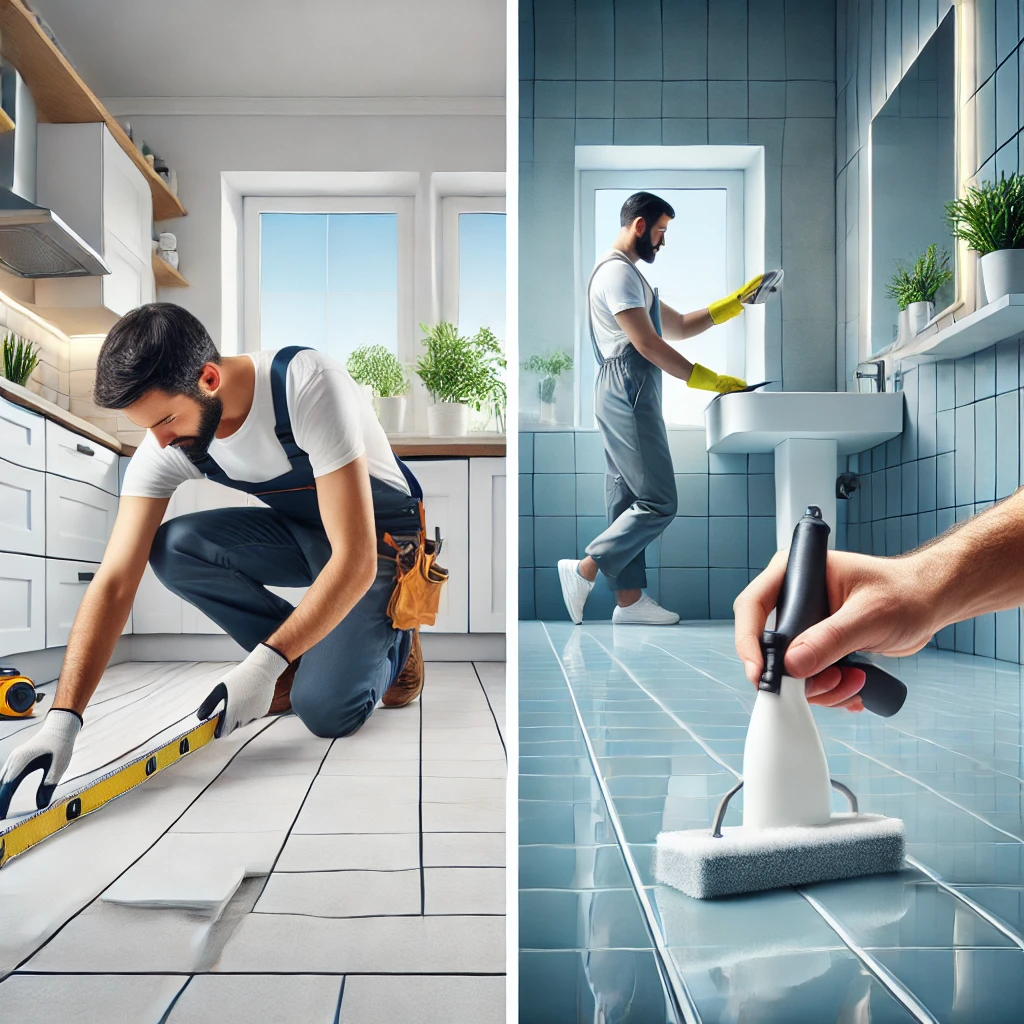
Ceramic tiles are lighter and easier to cut, making them simpler to install—especially for DIY projects. Porcelain tiles, being denser, can be more challenging to cut and require professional tools.
Key takeaway: Choose ceramic for DIY projects; porcelain may need professional installation.
Final Thoughts
Both porcelain and ceramic tiles have their strengths. The right choice depends on your budget, the intended use, and your design preferences. Understanding these differences will help you make a selection that combines both functionality and beauty.



No Comments